
Introduction
Social exclusion remains one of the most significant challenges affecting marginalized communities in India. Among these communities, Dalits have historically faced discrimination, social segregation, limited access to resources, and unequal opportunities. Although India has made considerable progress through constitutional protections, affirmative action, education, legal reforms, and social movements, barriers to equality continue to exist in different forms.
The journey from social exclusion to empowerment is not simply about providing reservations or legal protection. It involves creating equal opportunities in education, employment, political participation, economic development, access to justice, and social life. Empowerment means enabling individuals and communities to exercise their rights, make independent choices, and participate fully in society.
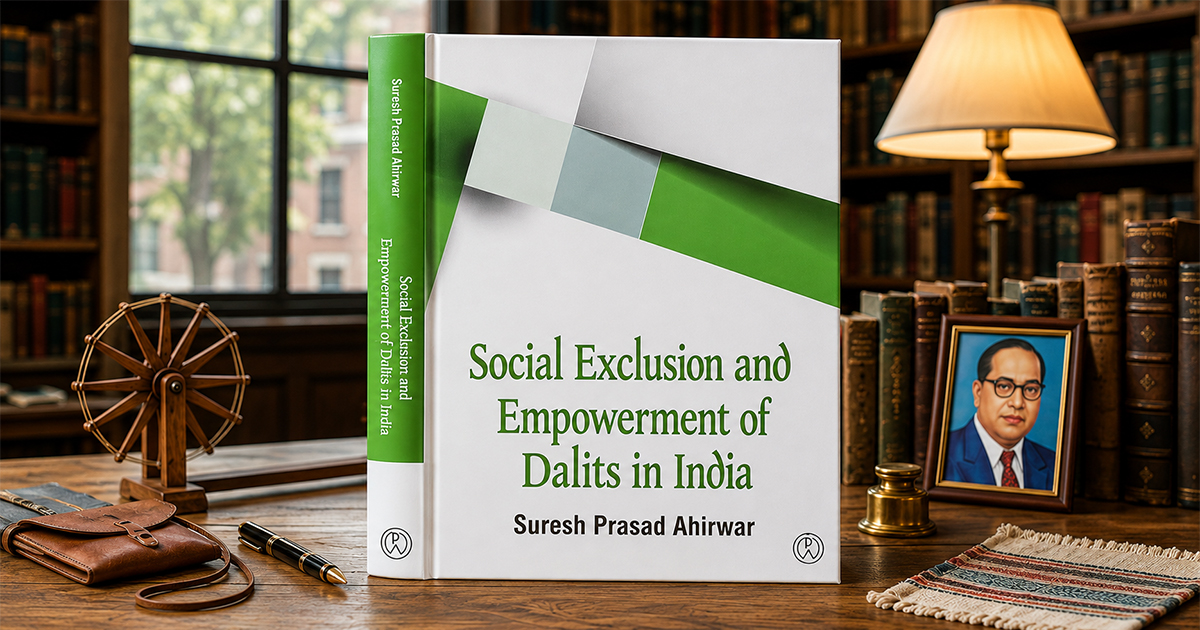
This article explores the historical roots of Dalit exclusion, the challenges faced by Dalit communities today, constitutional and governmental measures, the role of education and economic opportunities, and the importance of social transformation.
Who Are Dalits?
The term Dalit is commonly used by communities that have historically experienced caste-based oppression and exclusion, particularly those constitutionally recognized in India as Scheduled Castes (SCs).
The word “Dalit” is associated with the idea of being oppressed or marginalized. It has also become an important expression of social dignity, resistance, identity, and collective empowerment.
India’s Constitution prohibits discrimination based on caste and provides specific safeguards for Scheduled Castes. Despite these legal protections, social attitudes and structural inequalities can continue to influence access to education, employment, housing, public spaces, and other opportunities.
Historical Background of Social Exclusion
The caste system developed over centuries and became associated with hereditary occupations, social hierarchy, and unequal access to resources. Communities placed at the bottom of the traditional social order were often subjected to severe forms of discrimination and exclusion.
One of the most degrading practices associated with caste discrimination was untouchability, through which certain communities were denied equal participation in social and public life.
Dalits historically faced restrictions involving:
- Access to public wells and water sources
- Entry into certain temples and religious spaces
- Access to educational institutions
- Participation in community activities
- Choice of occupations
- Land ownership and economic opportunities
- Social interaction with dominant communities
Social reformers and leaders challenged these practices over generations. Dr. B. R. Ambedkar played a particularly important role in the struggle for social equality, dignity, political representation, and constitutional rights.
Social Exclusion of Dalits in Contemporary India
India’s legal framework has significantly changed the formal structure of caste discrimination. However, social exclusion has not disappeared completely.
Contemporary exclusion can appear in both visible and less visible forms.
1. Caste-Based Discrimination
Dalits may still experience discrimination in social settings, educational institutions, workplaces, housing, and other areas of public life.
In some cases, discrimination may be direct and openly expressed. In other situations, it can take subtle forms, including social distancing, stereotyping, unequal treatment, or exclusion from decision-making.
2. Educational Inequality
Education is one of the most powerful instruments of social mobility, but access to quality education can remain unequal.
Challenges may include:
- Economic difficulties
- Limited access to quality schools
- Lack of educational infrastructure in disadvantaged areas
- Social discrimination
- Digital inequality
- High dropout rates in vulnerable communities
Scholarships, reservations, hostels, financial assistance, and targeted educational programmes can help reduce these barriers.
3. Economic Disadvantage
Economic empowerment is closely connected to social empowerment.
Historically restricted occupational opportunities and unequal access to land, capital, markets, and networks have contributed to economic disadvantage among sections of Dalit communities.
Today, entrepreneurship, professional education, skill development, government employment, private-sector opportunities, and access to credit can create new pathways toward economic independence.
4. Land and Livelihood Issues
Land ownership remains an important factor in rural economic security. Landlessness or insecure access to productive assets can make economically vulnerable families dependent on others.
Improving access to livelihoods, skill training, financial services, entrepreneurship programmes, and productive assets can strengthen economic independence.
5. Social and Residential Segregation
In some areas, caste can influence residential patterns and social interaction. Segregation can limit access to public resources and reduce opportunities for social integration.
Building inclusive communities requires equal access to housing, schools, healthcare, transportation, public spaces, and civic facilities.
Constitutional Safeguards for Dalits
The Constitution of India provides several important protections against caste-based discrimination.
Article 14: Equality Before Law
Article 14 guarantees equality before the law and equal protection of the laws.
Article 15: Prohibition of Discrimination
Article 15 prohibits discrimination by the State on specified grounds, including caste, while also permitting special provisions for socially and educationally disadvantaged groups.
Article 16: Equality of Opportunity
Article 16 provides equality of opportunity in public employment and allows specific provisions for the advancement of disadvantaged groups, including reservations.
Article 17: Abolition of Untouchability
Article 17 abolishes untouchability and makes its practice punishable according to law.
Article 46: Promotion of Educational and Economic Interests
Article 46 directs the State to promote the educational and economic interests of weaker sections, particularly Scheduled Castes and Scheduled Tribes, and to protect them from social injustice and exploitation.
These provisions demonstrate that social equality is not merely a social aspiration but an important constitutional principle.
Legal Protection Against Caste-Based Atrocities
India has enacted laws to address caste-based discrimination and violence.
The Scheduled Castes and the Scheduled Tribes (Prevention of Atrocities) Act, 1989 is one of the major legal instruments designed to prevent atrocities against SC and ST communities and provide legal remedies for victims.
Effective implementation of such laws is essential. Legal protection can become meaningful only when victims are able to access police, courts, legal assistance, rehabilitation, and other support systems without fear or discrimination.
Role of Reservation in Dalit Empowerment
Reservation is an important component of India’s affirmative-action framework.
It aims to improve representation and access to opportunities for communities that have historically faced discrimination and exclusion.
Reservation has contributed to greater representation of Scheduled Castes in areas such as:
- Government employment
- Educational institutions
- Legislative bodies
- Public institutions
However, reservation alone cannot eliminate social inequality.
A broader empowerment strategy should combine affirmative action with:
- Quality education
- Skill development
- Employment generation
- Entrepreneurship
- Financial inclusion
- Social protection
- Equal access to justice
- Anti-discrimination measures
Education as a Tool of Empowerment
Education can transform both individual lives and communities.
For Dalit communities, access to quality education can help create opportunities for professional careers, entrepreneurship, leadership, and political participation.
How Education Can Promote Empowerment
Improved employment opportunities: Higher education and vocational training can increase access to skilled employment.
Greater awareness of rights: Education helps individuals understand constitutional rights, legal protections, and government schemes.
Political participation: Educated citizens are better positioned to participate in democratic institutions and public decision-making.
Social mobility: Education can weaken traditional occupational and social barriers.
Leadership development: Educational institutions can create future community leaders, professionals, researchers, entrepreneurs, and policymakers.
Digital education is increasingly important as well. Affordable internet access, digital literacy, and access to online learning resources can help reduce educational inequality.
Economic Empowerment of Dalits
Social empowerment becomes stronger when people have economic independence.
Dalit entrepreneurship is an important part of this process. Access to credit, technology, markets, business networks, training, and mentorship can help entrepreneurs build sustainable businesses.
Important areas include:
- Micro and small enterprises
- Start-ups
- Professional services
- Manufacturing
- Technology
- Agriculture and allied activities
- Skilled trades
- Digital businesses
Government programmes and financial institutions can support entrepreneurship, but implementation should focus on accessibility, transparency, awareness, and long-term sustainability.
Political Empowerment and Representation
Political participation is another important dimension of empowerment.
Representation in local governments, state legislatures, Parliament, and other decision-making institutions can provide marginalized communities with a stronger voice in public policy.
Political empowerment can help communities raise issues related to:
- Education
- Employment
- Housing
- Healthcare
- Infrastructure
- Land rights
- Social justice
- Public services
However, meaningful representation involves more than occupying a political position. It also requires the ability to participate independently in policy discussions and influence decisions.
Role of Dalit Social Movements
Dalit social movements have played a major role in challenging caste discrimination and demanding equality and dignity.
These movements have contributed to greater awareness about:
- Social justice
- Human dignity
- Equal citizenship
- Political representation
- Educational rights
- Economic opportunities
- Legal protection
The writings and activism of leaders such as Dr. B. R. Ambedkar continue to influence discussions about caste, democracy, equality, and social transformation.
Technology and Digital Empowerment
Technology has created new opportunities for marginalized communities.
Digital platforms can help individuals:
- Access educational resources
- Learn new skills
- Find employment
- Start businesses
- Access government information
- Understand legal rights
- Build professional networks
- Participate in public discussions
At the same time, digital inequality remains a concern. Merely providing internet access is not enough. People also need affordable devices, digital literacy, reliable connectivity, and relevant content.
Challenges to Dalit Empowerment
Despite significant progress, several challenges remain.
Persistent Social Attitudes
Legal reforms can change institutions, but changing deeply rooted social attitudes can take longer.
Unequal Access to Quality Education
Enrollment has improved, but disparities in educational quality and completion can continue to affect long-term opportunities.
Economic Inequality
Limited access to assets, capital, networks, and high-quality employment can restrict economic mobility.
Implementation Gaps
The existence of laws and government programmes does not automatically guarantee effective implementation.
Underreporting and Barriers to Justice
Victims may face social pressure, fear, lack of awareness, or difficulties navigating legal institutions.
Urban and Rural Differences
The nature of caste-based exclusion can vary significantly between rural and urban environments. Urbanization may create new opportunities, but it does not automatically eliminate caste-based discrimination.
What Can Be Done to Promote Greater Empowerment?
A comprehensive approach to Dalit empowerment should involve government, educational institutions, businesses, civil society, and citizens.
1. Strengthen Quality Education
Scholarships and reservations should be complemented by better school infrastructure, teacher support, mentoring, and higher-education opportunities.
2. Expand Skill Development
Vocational education and industry-oriented training can improve employment opportunities.
3. Support Entrepreneurship
Affordable credit, mentorship, market access, digital tools, and business networks can encourage entrepreneurship.
4. Improve Legal Awareness
People should be aware of their constitutional rights and legal remedies.
5. Strengthen Implementation of Laws
Authorities should ensure that anti-discrimination and atrocity-prevention laws are implemented effectively.
6. Promote Inclusive Workplaces
Employers should create fair recruitment, promotion, grievance-redressal, and anti-discrimination mechanisms.
7. Encourage Social Integration
Schools, communities, workplaces, and public institutions can promote interaction based on equality and mutual respect.
8. Reduce the Digital Divide
Affordable internet, devices, and digital-literacy programmes can expand access to education and employment.
The Importance of Dignity and Social Equality
Empowerment should not be measured only by income, employment, or political representation.
Dignity is equally important.
A truly inclusive society is one where individuals are able to live without discrimination based on their caste identity and can access public institutions, education, employment, housing, and social opportunities on equal terms.
The goal should therefore be to move beyond merely reducing disadvantage and toward creating a society based on equal citizenship, dignity, opportunity, and social justice.
Conclusion
The story of Dalit empowerment in India is a story of struggle, constitutional transformation, social movements, educational progress, and continuing challenges.
India has created a strong constitutional and legal framework against caste discrimination, and affirmative-action policies have opened opportunities for millions of people. Yet legal equality must continue to be supported by social change, economic opportunity, quality education, effective institutions, and equal treatment.
Empowering Dalits is not only a question of helping one marginalized community. It is directly connected with India’s larger democratic values of equality, justice, liberty, and dignity.
A socially inclusive India will emerge when every individual, regardless of caste, has the opportunity to learn, work, participate, lead, and live with dignity.
Key Takeaways
- Dalits have historically faced caste-based social exclusion and discrimination.
- The Indian Constitution provides important safeguards for equality and social justice.
- Education is a major pathway to social mobility and empowerment.
- Economic independence and entrepreneurship can strengthen long-term empowerment.
- Political representation can increase participation in decision-making.
- Strong implementation of laws is essential for protecting rights.
- Digital inclusion can create new educational and economic opportunities.
- Lasting empowerment requires both institutional reforms and changes in social attitudes.
- Social equality is ultimately about ensuring dignity, opportunity, and equal citizenship for all.